

Skin Barrier Damage: Why Your Skin Suddenly Burns, Stings or Reacts
A damaged skin barrier is an outer skin layer that is no longer controlling water loss and outside exposure as effectively as it should. Common signs include tightness, burning, stinging, flaking, redness and sensitivity to products that were previously tolerated. The most useful first step is usually to simplify the routine and reduce irritation while supporting hydration and protection.

Why a product can suddenly start to sting
A familiar moisturiser may feel fine for months and then abruptly burn. Often the product has not changed; the condition of the skin has. When the outer barrier is compromised, ingredients penetrate more readily and sensory nerves and immune pathways become easier to activate. Even water, sweat or a previously comfortable active can feel irritating.
Reactive skin is therefore not always an inherent “skin personality”. It can be a temporary state created by cumulative exposure, weather, illness, over-exfoliation, spot and blemish prone skin treatments or too many active products used together.
What the skin barrier is made of
The stratum corneum is built from flattened cells surrounded by an organised lipid matrix rich in ceramides, cholesterol and fatty acids. Natural moisturising factors inside the cells help bind water. Below and around this structure, tight junctions, immune sentinels and nerve endings contribute to defence and sensation.
When this system is intact, it limits transepidermal water loss and reduces the entry of irritants. When it is disrupted, skin loses water more quickly and becomes more vulnerable to friction, allergens and environmental stress.
Common causes of barrier disruption
Barrier damage is often cumulative rather than caused by one dramatic event. Frequent exfoliation, combining retinoids with acids, high-strength spot and blemish prone skin products, foaming cleansers, hot showers, low humidity, wind, sun exposure and friction can all contribute. Some medical treatments can also produce marked dryness and sensitivity.
The key question is not whether an ingredient is “good” or “bad”. It is whether the total routine is appropriate for the person’s current tolerance. An ingredient with excellent evidence can still be used too often, at too high a concentration or alongside too many other irritants.
How to support recovery
Begin with a routine reset. Use a mild cleanser, a moisturiser that combines humectants with barrier-supportive lipids, and always use a broad-spectrum sunscreen. Pause optional exfoliants and reduce the frequency of strong actives until stinging and tightness settle.
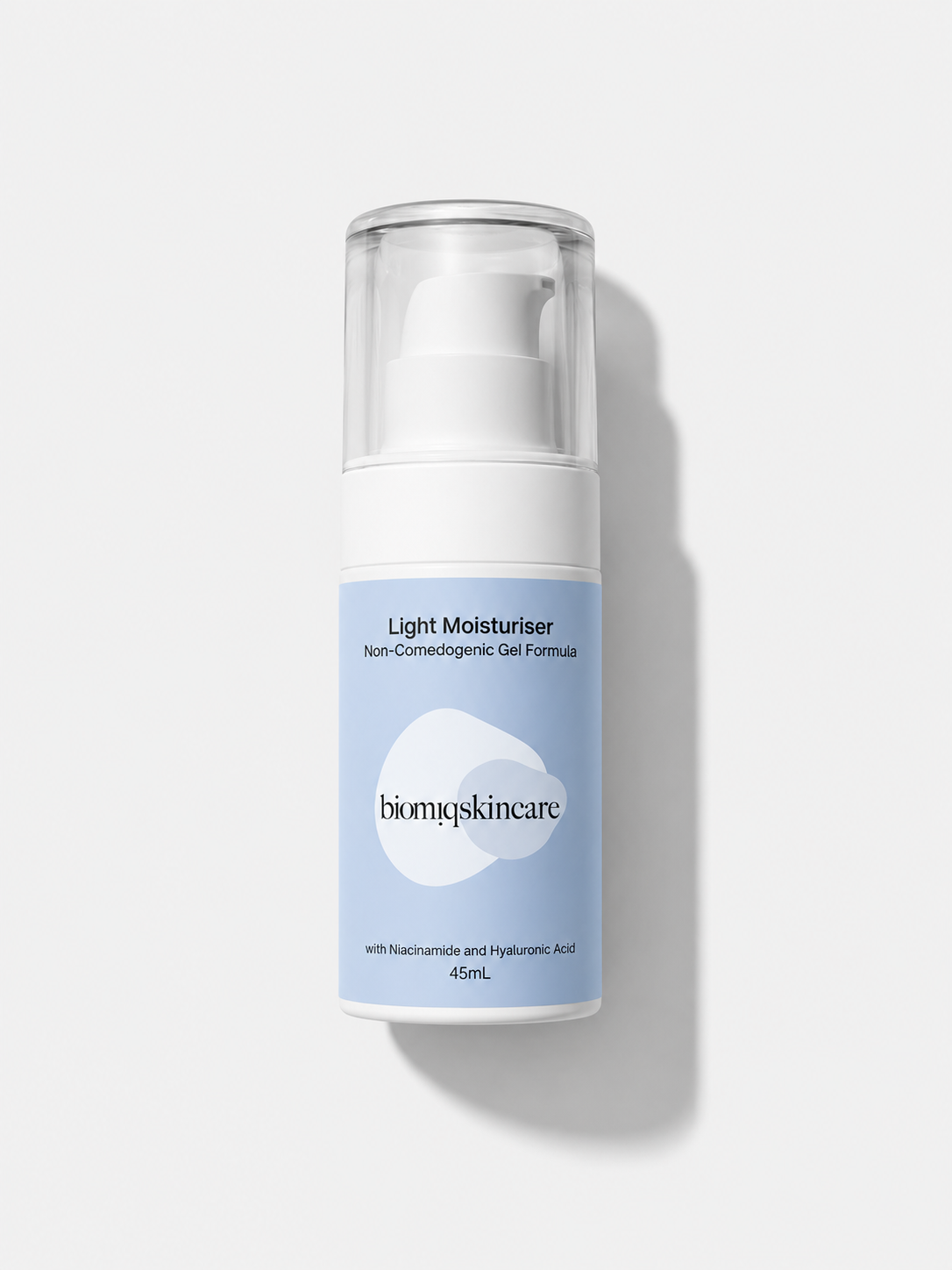
Humectants such as glycerin draw and hold water. Ceramides and other lipids support the extracellular matrix. Occlusive ingredients reduce water loss. A well-designed moisturiser, like Biomiq Light Moisturiser combines these functions rather than relying on a single fashionable ingredient.
How and when to reintroduce actives
Once basic products no longer sting and the skin feels comfortable through the day, reintroduce one active at a time. Use it less frequently than before, apply a smaller amount and allow several weeks before changing another variable. This makes it possible to identify what the skin can tolerate.
Persistent swelling, blistering, crusting, severe pain or a rash that spreads should not be self-managed as simple “barrier damage”. Those features may indicate dermatitis, infection or another condition that needs professional assessment.
The Biomiq point of view
A routine should create results without making the skin progressively less capable of tolerating care. Biomiq’s resilience-first approach treats comfort and barrier function as part of performance, not as optional extras. Repair before escalation is often the fastest route back to a routine that can work consistently.
Frequently asked questions
Q: How long does a damaged skin barrier take to recover?
A: Mild disruption may improve within days, while more significant irritation can take several weeks. Recovery depends on the cause and whether the aggravating exposure continues.
Q: Can a damaged barrier cause pimples, spots and blemishes?
A: Barrier disruption can increase irritation and inflammation and may make treatments harder to tolerate. Pimple, spot and blemish prone skin itself is multifactorial, so barrier damage is usually one part of the picture rather than the sole cause.
Q: Do ceramides repair the skin barrier?
A: Topical ceramides can support the lipid matrix, especially when used in a balanced formulation with other lipids and moisturising ingredients.
Q: Should I stop every active ingredient?
A: During significant burning or stinging, pausing optional actives is often sensible. Prescription treatments should be discussed with the clinician who recommended them.
Key takeaway
A damaged skin barrier is an outer skin layer that is no longer controlling water loss and outside exposure as effectively as it should. Common signs include tightness, burning, stinging, flaking, redness and sensitivity to products that were previously tolerated. The most useful first step is usually to simplify the routine and reduce irritation while supporting hydration and protection.
Suggested internal links
- What Is the Skin Microbiome? Why It Matters for Spot and blemish prone skin and Skin Health
- What Really Causes Spot and blemish prone skin? Hormones, Microbes and Inflammation
- Biomiq product or routine page relevant to this topic
Sources and further reading
- https://pmc.ncbi.nlm.nih.gov/articles/PMC9654002/
- https://pmc.ncbi.nlm.nih.gov/articles/PMC11650898/
- https://www.aad.org/public/everyday-care/skin-care-basics/dry/dermatologists-tips-relieve-dry-skin
- https://www.aad.org/public/diseases/spot and blemish prone skin/derm-treat/isotretinoin/side-effects
Medical note: This article is general educational information and does not diagnose or treat a medical condition. Seek professional advice for severe, persistent, painful, infected, scarring or rapidly changing skin symptoms.


Comments